MARCO VALENTINI · LUND UNIVERSITY

Correlations.
Topology.
New quantum devices.

We use correlations and topology in two-dimensional materials to explore new quantum phenomena and develop electronic devices with intrinsic resilience to noise.

Our approach combines high-quality quantum materials, advanced nanofabrication and low-temperature measurements with radio-frequency and microwave control.

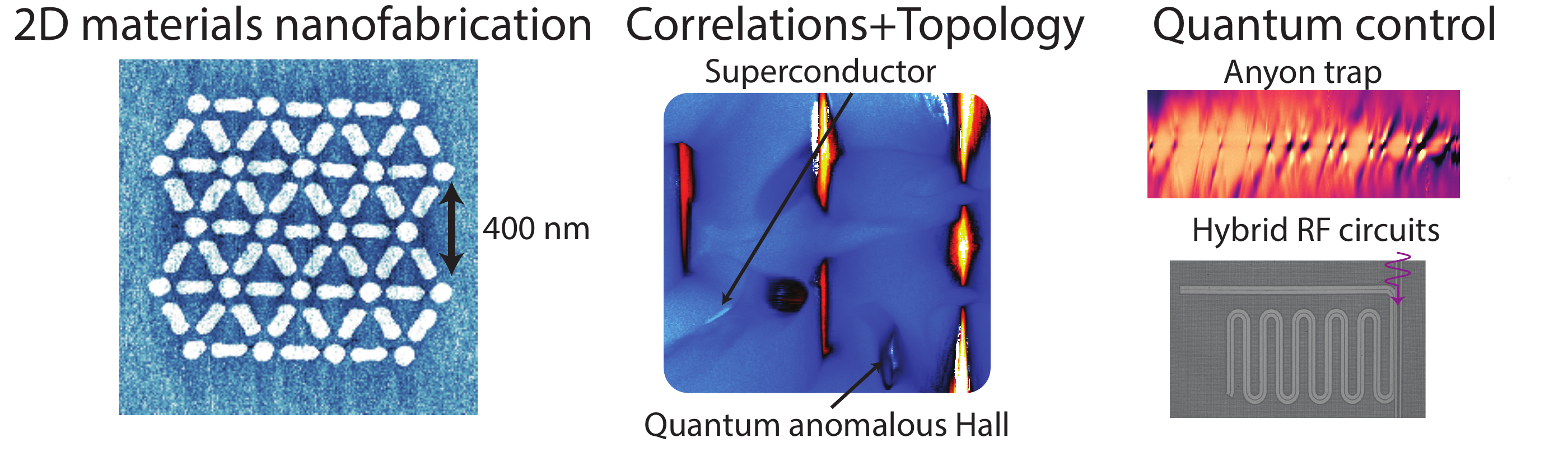
Research overview: 2D materials nanofabrication; correlations and topology with superconductivity and quantum anomalous Hall states; quantum control with an anyon trap and hybrid RF circuits.

RESEARCH DIRECTIONS

From quantum materials
to quantum hardware.

We connect the discovery of correlated and topological electronic states with the development of devices that can control and interconnect them.

PROTECTED QUANTUM HARDWARE

From single anyons to arrays

We aim to isolate, control and couple individual quasiparticles in graphene quantum Hall devices. Building from single and double quantum dots, we will investigate charge coherence and develop the control and readout needed to test fusion and braiding of non-Abelian anyons.

Quantum Hall dots · Charge sensing · Fusion & braiding
CHIRAL QUANTUM COUPLERS

Connecting quantum devices

Quantum Hall edges support collective charge waves called edge magnetoplasmons. We will develop tunable, high-impedance resonators based on these modes and explore their use for dispersive readout and coupling between distant quantum dots in strong magnetic fields.

Edge magnetoplasmons · RF circuits · Quantum connectivity

MATERIALS & FABRICATION

Designing quantum matter

We assemble two-dimensional materials into clean van der Waals heterostructures and develop advanced nanofabrication to shape their electronic landscape. Atomic-force-microscope patterning and precise gate alignment let us define nanoscale devices while preserving the material quality needed for correlated and topological states.

van der Waals heterostructures · Nanoscale confinement · Correlated phases

MEMBERS

Meet the group.

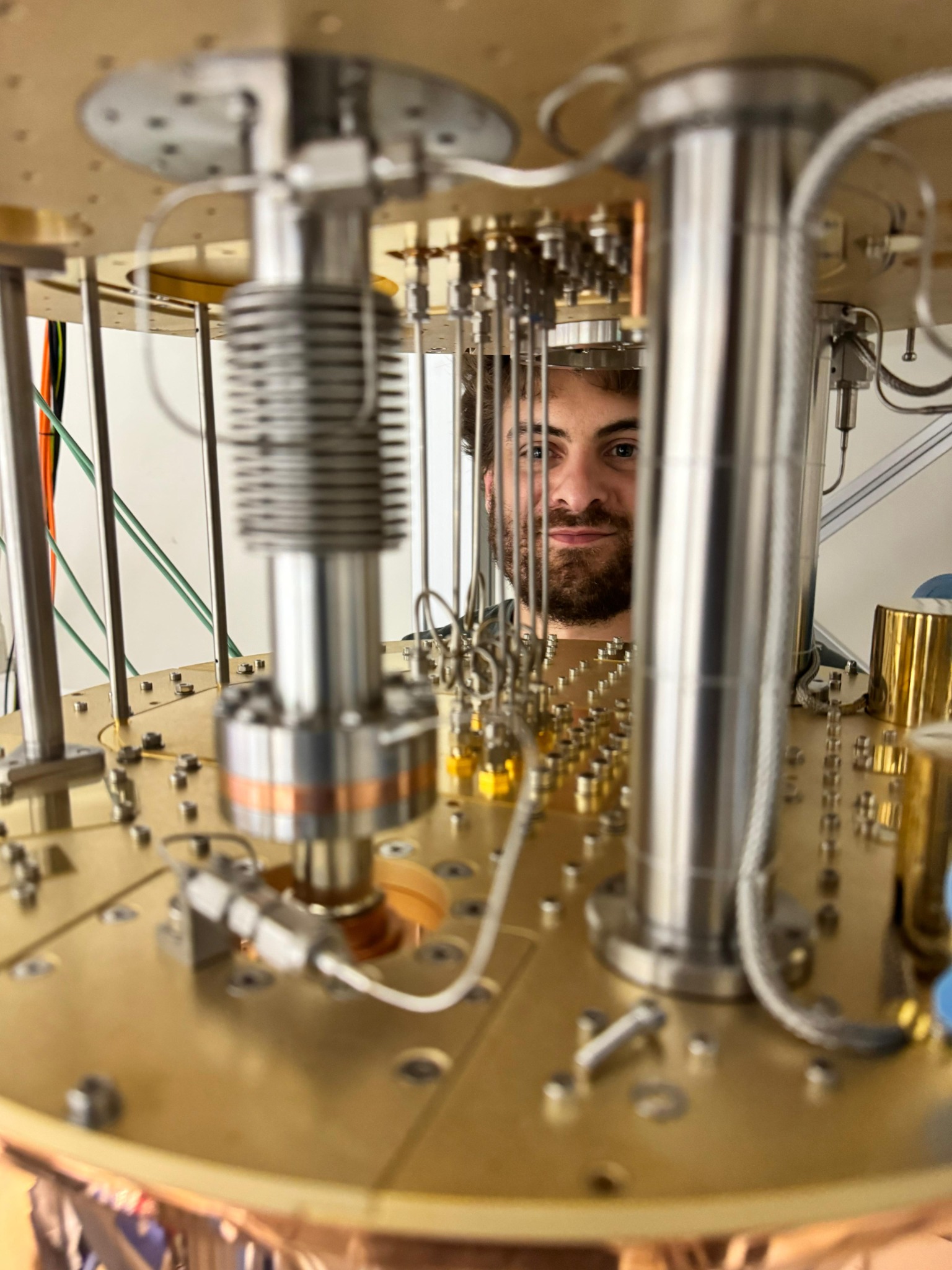
Marco Valentini working with a dilution refrigerator

GROUP LEADER

Marco Valentini

Assistant Professor
Division of Solid State Physics, LTH
Lund University

Marco develops quantum devices across material platforms to investigate correlated and topological electronic states. His work connects device conception and nanofabrication with cryogenic measurements, physical interpretation and modelling.

Before joining Lund University, he was a postdoctoral researcher in Andrea Young’s group at UC Santa Barbara, following a PhD at IST Austria.

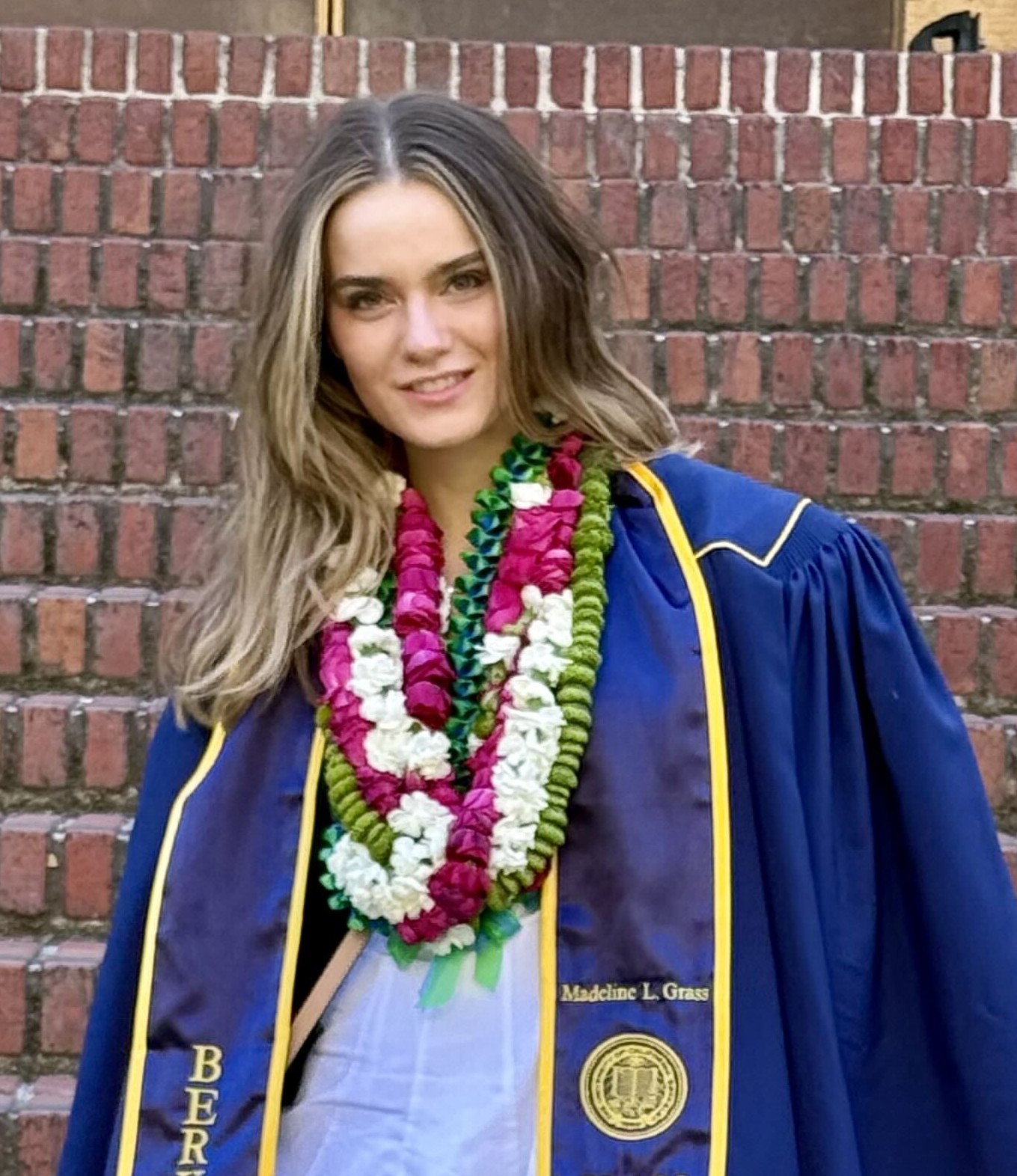
Madeline Grass

MASTER'S STUDENT

Madeline Grass

Project: Quantum Hall devices.

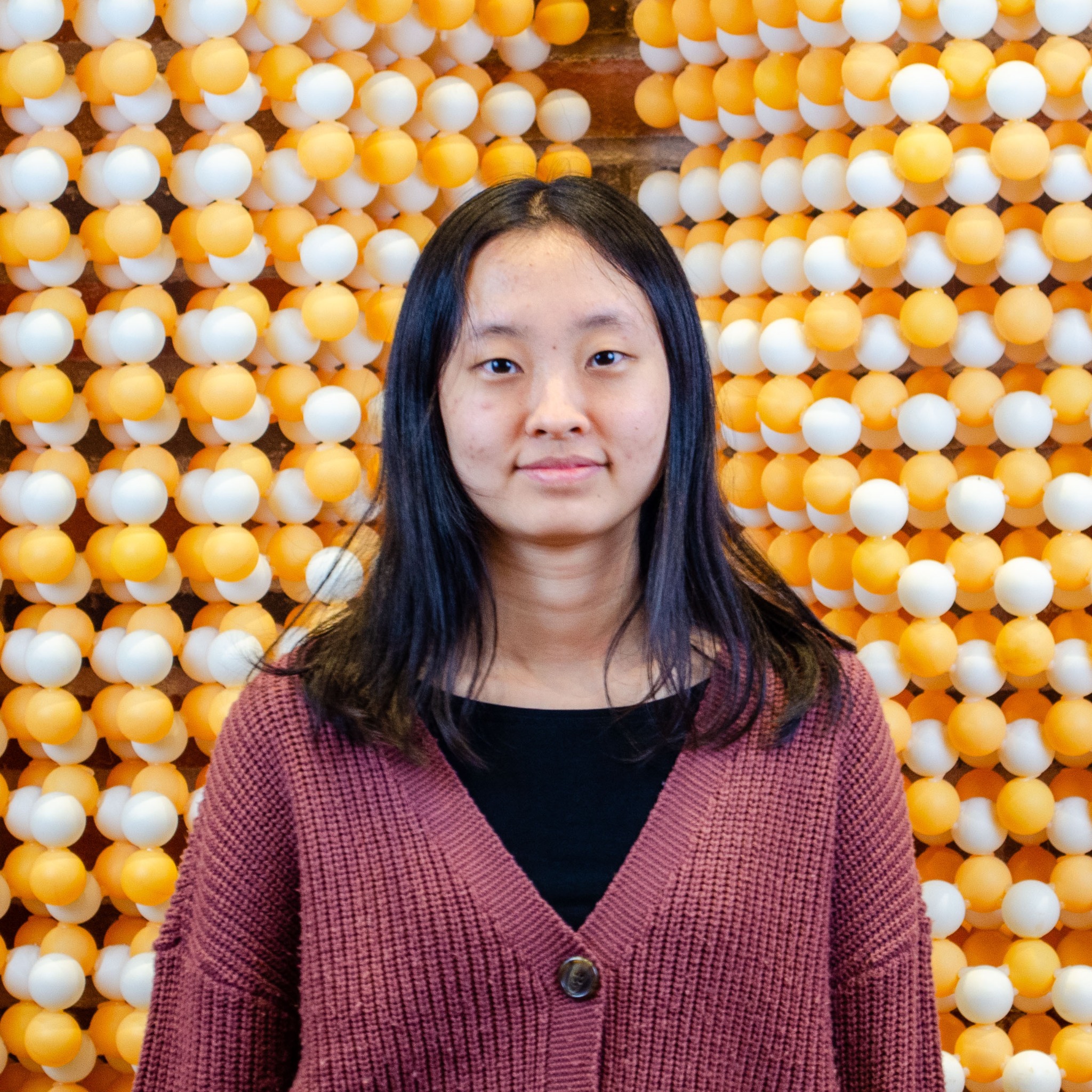
Cecilia Fang

MASTER'S STUDENT

Cecilia Fang

Project: Superconductivity in multilayer graphene.

PHD STUDENT

Coming soon

JOIN THE GROUP

This could be you

Interested in two-dimensional materials, advanced nanofabrication and quantum devices? Help shape the next chapter of the lab.

Explore open positions ↗

PUBLICATIONS

Selected publications.

Full publication list on Google Scholar ↗

PAST RESEARCH ACTIVITIES

Across quantum material platforms.

Marco’s previous research spans hybrid nanowires, germanium hole gases and rhombohedral graphene.

HYBRID SEMICONDUCTOR–SUPERCONDUCTOR DEVICES

Majorana nanowires

We investigated hybrid semiconductor–superconductor nanowires in the search for Majorana zero modes. Combining tunnelling and Coulomb-blockade spectroscopy on the same device revealed that confined, topologically trivial states can mimic expected Majorana signatures. These experiments established the importance of complementary measurements and careful control of the device geometry. The work informs our approach to identifying and manipulating topological excitations.

GERMANIUM QUANTUM DEVICES

Superconductivity in germanium hole gases

We developed hybrid devices that couple a two-dimensional germanium hole gas to a superconductor. By engineering the interface to aluminium, we tuned the induced superconductivity and investigated Josephson transport in planar devices. This work explored parity-conserving Cooper-pair transport and superconducting diode behaviour. It established a versatile platform for electrically controlled superconducting quantum circuits.

CORRELATED TWO-DIMENSIONAL MATERIALS

Phase diagram of rhombohedral multilayer graphene

We explored how electronic correlations and topology shape the phase diagram of rhombohedral multilayer graphene. High-quality devices and electrostatic control allowed us to access superconducting and quantized anomalous Hall states within the same material platform. Transport and thermodynamic measurements helped identify the underlying electronic phases. These results motivate mesoscopic devices that bring superconducting and topological regions together.

OPEN POSITIONS

Help build the lab.

We are forming a new experimental group at Lund University. We welcome interest from students who enjoy making things, asking fundamental questions and working across materials science, nanotechnology and quantum physics.

MASTER'S RESEARCH

MSc thesis projects

Projects can focus on van der Waals assembly, nanofabrication development or quantum-device measurements. The programme includes scope for 6–12 month research projects, with topics shaped around your background and interests.

View MSc thesis projects (PDF)

PHOTOS

Coming soon.

Photos from the lab will be added here.

FUNDING

Supporting our research.

We gratefully acknowledge the support of MISTRA and NanoLund.

MISTRA

NanoLund

Back to top ↑